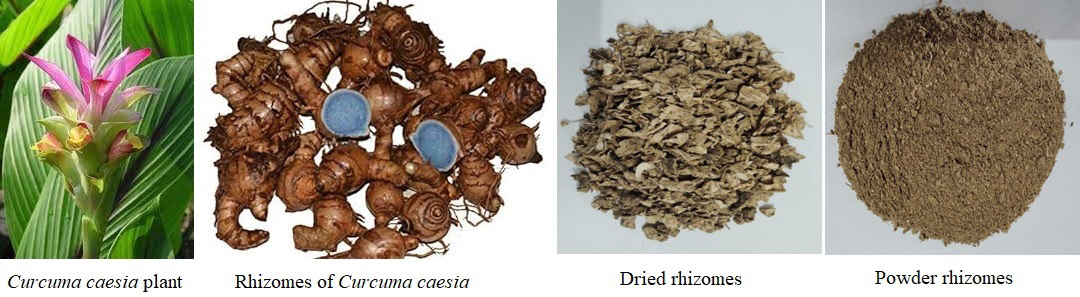
Investigation of Phytoconstituents in Curcuma caesia Rhizomes: Understanding their Potential for treating Urolithiasis through the Molecular Docking Study
DOI:
https://doi.org/10.5530/ctbp.2026.4.39Keywords:
Phytoconstituents, Curcuma caesia, Rhizomes, Extraction, Urolithiasis, DockingAbstract
Urolithiasis (kidney stone disease) affects millions of people globally and often requires costly surgical intervention. Conventional treatments carry risks of recurrence and side-effects. So, the medicinal plants with anti-urolithiatic properties are of great interest due to their safety, accessibility, and multi-target mechanisms. Curcuma caesia (black turmeric) is widely used in traditional medicine for its anti-inflammatory, antioxidant, diuretic, and litholytic properties. Several phytoconstituents present Curcuma caesia include curcuminoids, essential oils (e.g., ar-turmerone, β-caryophyllene), and phenolics that may act on biochemical pathways involved in stone formation. For this study, the rhizomes of Curcuma caesia were collected, dried, powered and extracted with ethanol using Soxhlet apparatus. The presence of phytoconstituents in Curcuma caesia were identified and characterized by phytochemical analysis and spectral studies respectively. Further molecular docking study was conducted to assess therapeutic potential of phytochemicals towards urolithiatic property in comparison to standard drug (Hydrocholrthiazide). Hydrochlorothiazide is a thiazide diuretic commonly used to treat hypertension and edema. Interestingly, it also has a role in reducing calcium excretion, which can help prevent calcium-based stone formation in the urinary tract.