Assessing the Toxicity of Triethanolamine (TEA) in Consumer and Industrial Products: A Bibliometric Analysis of Research Trends and Health Implications
DOI:
https://doi.org/10.5530/ctbp.2026.1s.13Keywords:
Triethanolamine, Cosmetic Toxicity, Safety, Long-Term Exposure, CarcinogenicityAbstract
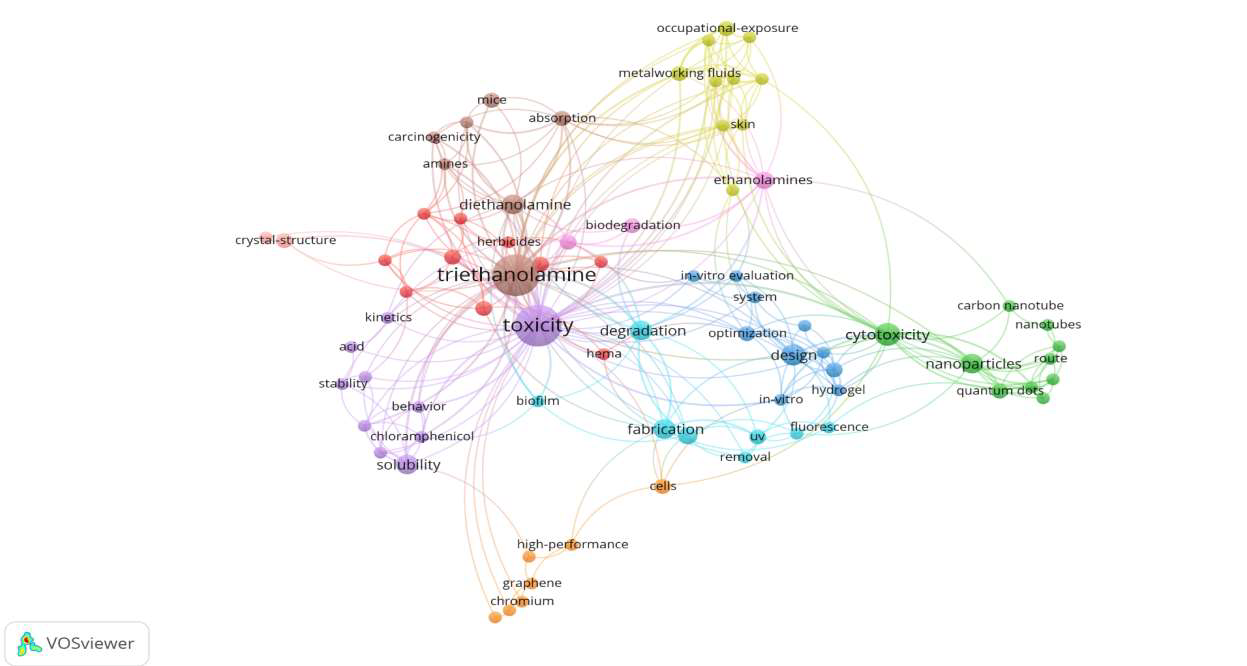
The wide use of triethanolamine (TEA) in consumer and industrial products, especially in cosmetics, personal care items, pharmaceuticals, and surfactants, has raised serious scientific concerns. This is mainly due to its potential toxicity with long-term and repeated exposure. TEA serves as a pH balancer, emulsifier, and surfactant. However, studies increasingly point out the risks of skin and eye irritation, allergic reactions, organ toxicity, and possible cancer risk when its levels or usage duration go beyond recommended safety limits. This research offers a bibliometric and scientometric evaluation of the global research landscape concerning TEA's toxicity, focusing on healthrelated effects for consumer safety and regulatory standards. A dataset of 176 documents from Scopus, 83 from Web of Science, and 79 from PubMed (2001–2025) was analyzed using VOSviewer and RStudio (Biblioshiny) to reveal research trends, key contributors, thematic Co-occurrence mapping reveals frequent connections between TEA, oxidative stress, cancer pathways, and skin toxicity.This study provides the first comprehensive overview of TEA toxicity research, offering important insights into current knowledge gaps, policy implications, and future avenues for interdisciplinary research aimed at balancing industrial use with health protection.