Next-Generation Materials in Biophysical Chemistry: Nano and Bio Innovations
DOI:
https://doi.org/10.5530/ctbp.2025.4s.3Keywords:
Nano objects, Silicon dioxide, Ubiquitin, nanocarriers, Next generation materialsAbstract
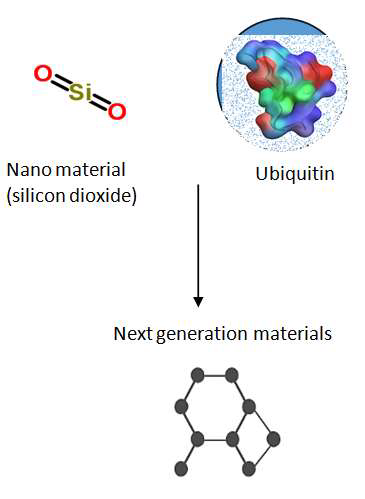
Nanomaterials are revolutionizing biophysical chemistry through their applications in targeted drug delivery, diagnostics, and biosensing; however, a detailed understanding of their interactions with biological macromolecules is essential for effective therapeutic development. Ubiquitin (PDB ID: 1UBQ), a conserved 76- amino-acid protein central to protein degradation and intracellular signalling, serves as an ideal model for studying nano– bio interactions. In this study, silicon dioxide (SiO₂), sourced from PubChem as a representative nanomaterial-inspired ligand, was docked with ubiquitin to explore potential binding mechanisms. The protein structure was retrieved from the Protein Data Bank, and ligand optimization and docking were performed using AutoDock Vina, with blind docking employed to survey the entire protein surface. Analysis of docking scores, hydrogen bonds, and hydrophobic interaction profiles revealed moderate-affinity binding pockets involving β-sheet surfaces and flexible loop regions, suggesting that SiO₂ can interact with key polar and charged residues to stabilize or modulate protein function. Linking these interactions to practical applications, the SiO₂–ubiquitin contacts at the β-sheet regions could potentially enhance serum stability, increase circulation half-life and improving drug delivery efficiency. Furthermore, the interactions within flexible loop regions might facilitate endosomal escape, enabling targeted release in intracellular environments. These findings highlight the potential of silicon dioxide-based nanomaterials for biomedical applications such as targeted therapeutics, protein stabilization, and biosensor development, and provide a computational foundation for future experimental validation of nanomaterial– protein interactions.